
A Living Estate
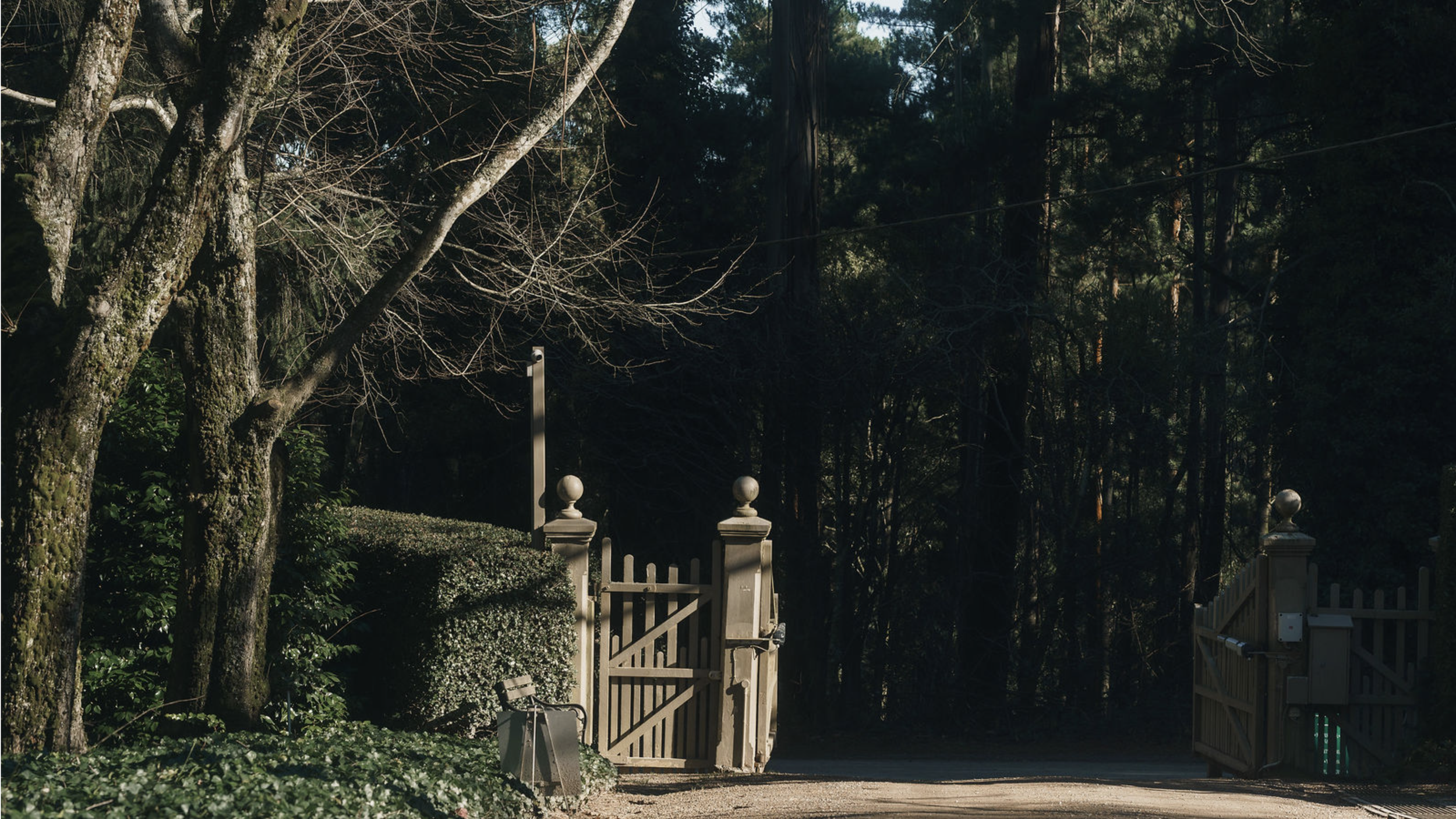
The first time Melina Godard visited Duneira Estate, she could barely see it.
It was 2005, autumn, cold and raining. Mist had settled over the Mount Macedon garden and the trees had begun to change colour. Rather than diminishing the place, the weather seemed to reveal something about it.
“It was mysterious and felt like I was exploring a secret garden,” Melina says. “I fell in love with the place that day and thought about it long after I left.”
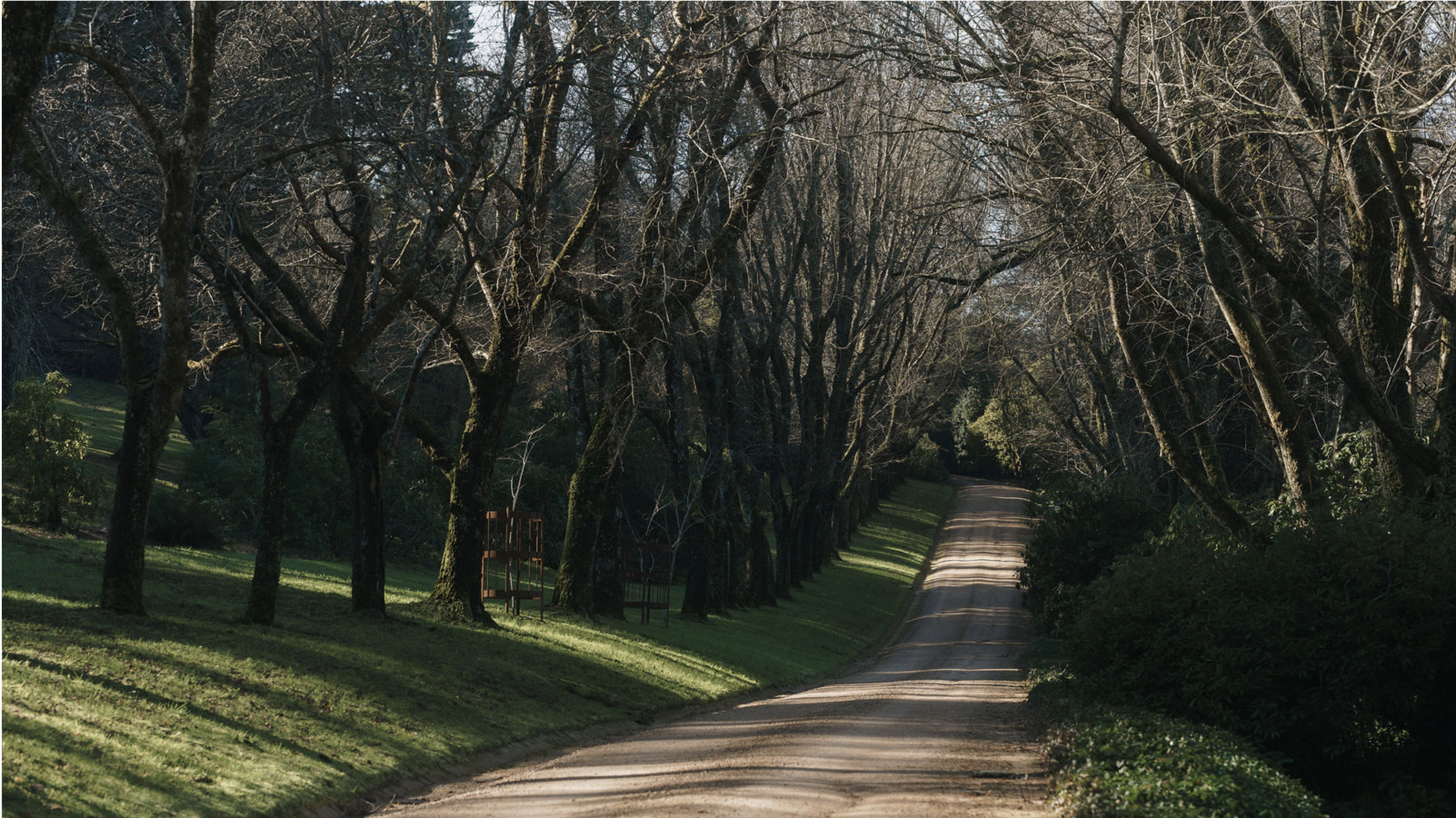
Duneira has been provoking that kind of attachment for more than 150 years. The estate was established in 1872 by wealthy pastoralist Suetonius Officer, who planted its great elm-lined driveway in the tradition of Victoria’s nineteenth-century pastoral estates. Half a kilometre long, the avenue still provides the theatrical entrance Officer intended, eventually revealing the 1875 homestead beyond the lawns.
For Melina, it is also a surviving fragment of another Australia.
“It gives us today a glimpse of the lives of the wealthy landed gentry of the late nineteenth century,” she says.
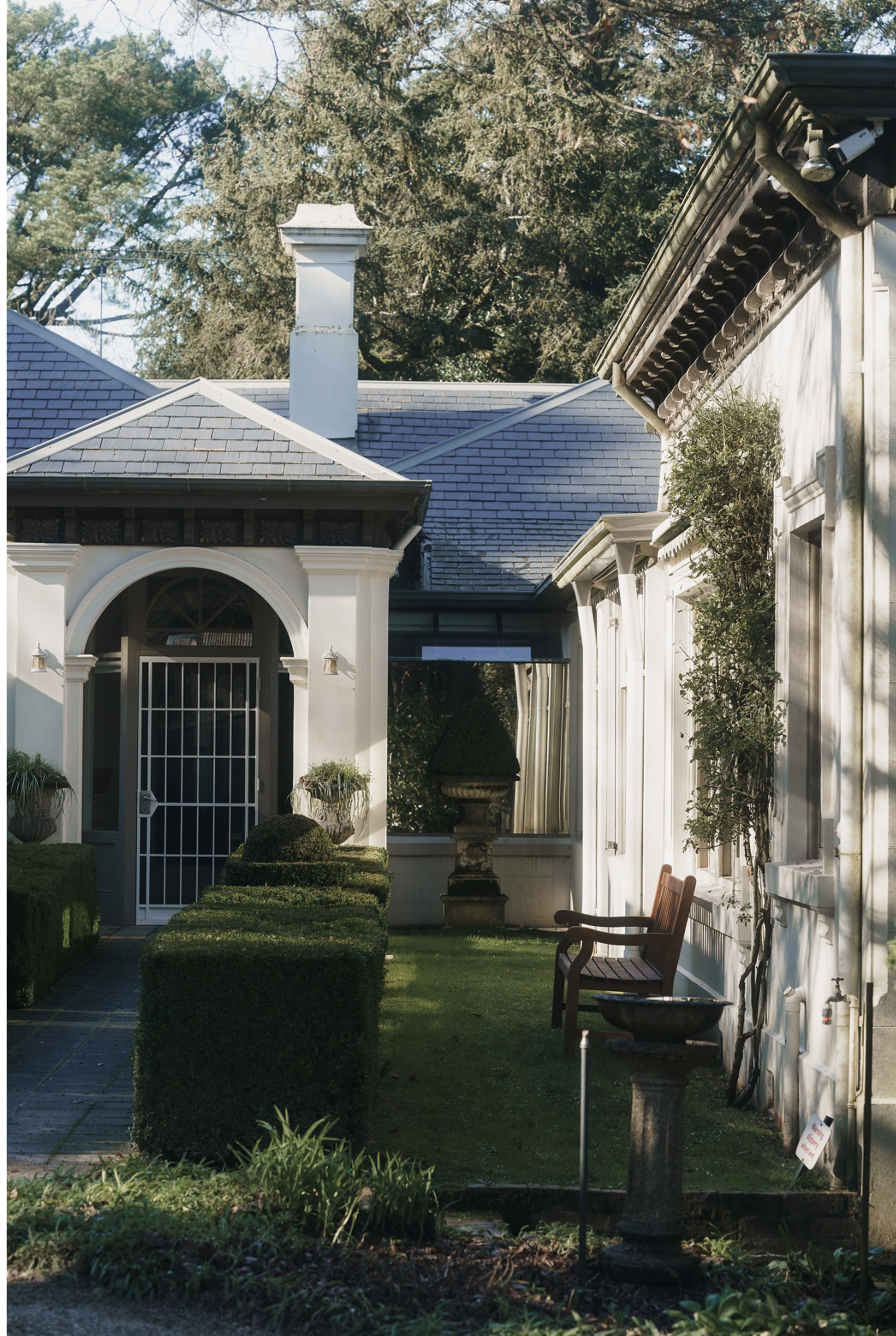
What is remarkable about Duneira is not simply its age but how gently successive generations have altered it. The estate has survived bushfires, changing fashions and a succession of owners without anyone entirely remaking the garden in their own image.
Instead, they added layers.
In the early twentieth century, the Smith Reid family created a secret garden as a cutting garden. More than a century later, it is shadier, but its original structure remains. When the lupins flower, Melina says, it is spectacular.
Then came Betty Alcock, who received Duneira as a wedding present from her father, George Nicholas, in 1939. In the following decade, Betty decided the garden needed something it lacked: femininity.
She planted brightly coloured rhododendrons and Mollis azaleas. Melina has a particular affection for the scented Rhododendron fragrantissimum Betty introduced.
“If I can find a quiet moment to sit with a cup of tea on the verandah, their scent is intoxicating.”
Duneira changes its character with the seasons. Crocuses and daffodils appear, then bluebells, cherry blossom and brilliant rhododendrons. In autumn, the orchard fills with Pink Lady apples. Visitors tend to be immediately captured by the elm avenue and the lawns sweeping towards the house, but Melina encourages them to wander further: the secret garden, rhododendron grove, heritage roses and, behind the house, the hydrangeas.
The estate might easily have become a private relic. Instead, its final private owner, Stuart Stoneman, left Duneira for the wider community to enjoy.
Melina often thinks of him on the last Friday of the month, when the house hosts Gin and Jazz nights.
“I think Stuart would be thrilled to see people sitting in his living room tapping away listening to jazz amongst his wonderful art collection.”
The house is alive again with concerts, exhibitions, workshops and talks. Preservation, here, does not mean embalming a place. It means allowing people back inside it.
Asked when she would visit Duneira if she could choose any period in its history, Melina doesn’t hesitate. She would return to the 1920s, when the Smith Reid family lived there and the estate was bursting with productivity.
She would eat raspberries from the berry house. Propagate seedlings in the heated glasshouse. Cut flowers for the house. Play tennis on the grass court and croquet on the lawn, dressed, naturally, in white linen.
Then the afternoon would begin to soften.
“I would host a party with champagne on the verandah,” she says, “and dance the night away to a swing band in the living room.”
Perhaps that imagined evening explains Duneira better than any historical plaque could. A garden survives because somebody keeps tending it, but a house survives because people keep finding reasons to fill it.
More than a century later, there is music in Duneira’s living room again.
Duneira Estate
Officer Lane, Mount Macedon
duneiraestate.com.au
STORY BY MAHMOOD FAZAL
PHOTOS BY KAIYA RAE