
Breaking The Fourth Wall
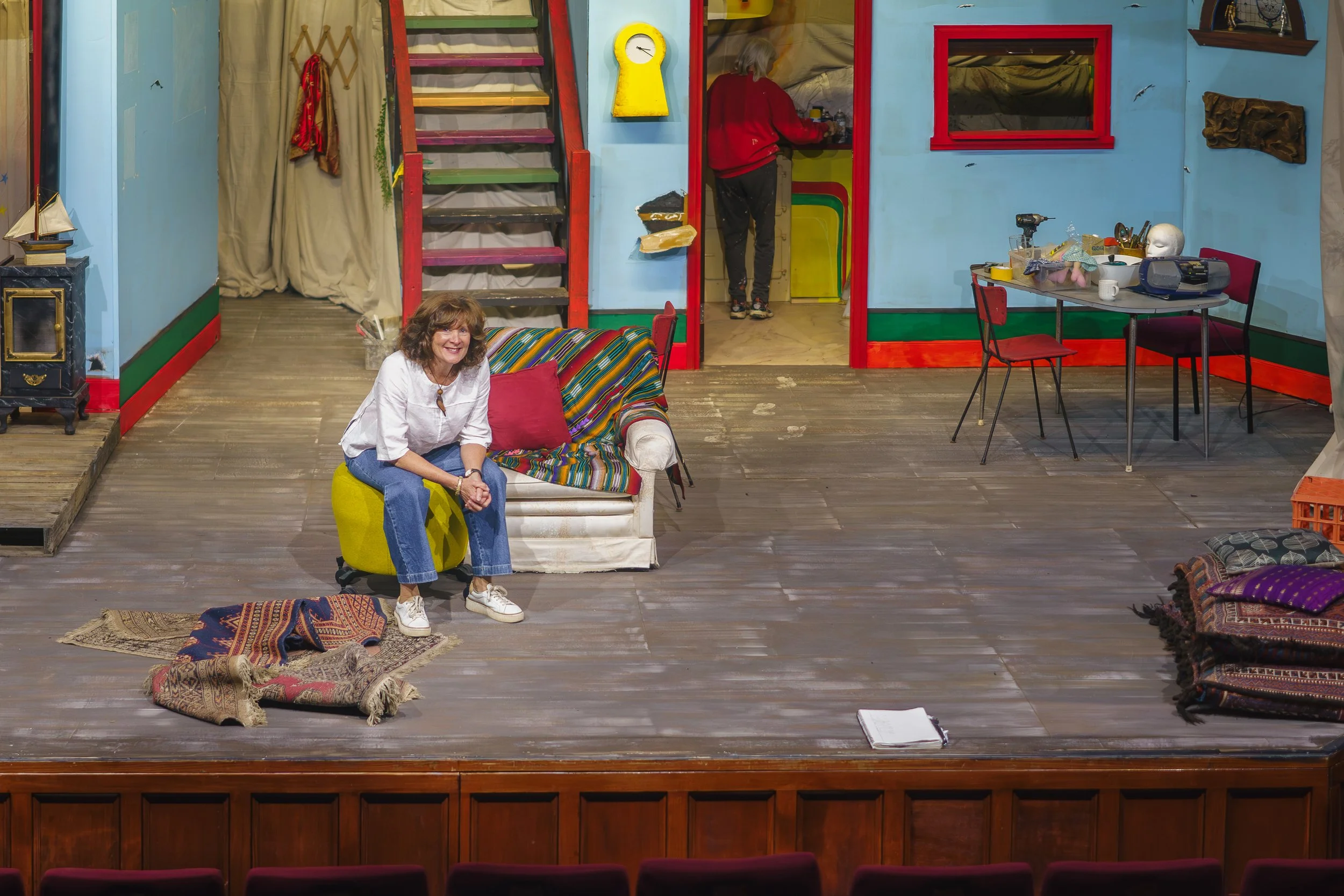
Karen Hunt still remembers the feeling before she remembers the line. In 1986, at the Gisborne Mechanics Hall, she stood backstage with what she calls “shaking knee caps,” waiting to walk on in a local production of Here Under Heaven. The original Mountview Theatre had burned three years earlier in the Ash Wednesday fires; the company was staging productions wherever it could while raising money to rebuild. “It wasn’t an actual moment,” she says now, speaking of her decision to remain in theatre. “More of a growing feeling of exceptional joy.” Once she stepped under the lights, “it all felt so right, like I had found my happy place.”
The phrase has the modesty of someone unwilling to mythologise herself. Hunt resists grandeur almost reflexively. Again and again, she redirected attention outward: to the committee members who repaint dressing rooms, to the volunteers who clean the theatre, to her husband mowing grass, to the audience members who buy raffle tickets and linger in the foyer after a show. “I am just a cog in a large wheel,” she wrote. “If you want something done then it’s in your power to get off your butt and make it happeFinal - Karen Hunt .”
This ethic of cheerful practicality runs through her life. Before theatre, there were horses and pony club committees. Then came years in real estate offices in a smaller, stranger Gisborne, “full of characters and its own soul,” where locals dropped in not simply to buy property but to talk. She married Trevor Hunt, raised two daughters in Mount Macedon, gardened professionally, waitressed, cleaned houses, and freelanced where she could. Theatre entered not as escape but as extension: another place where people gathered, worked, laughed.
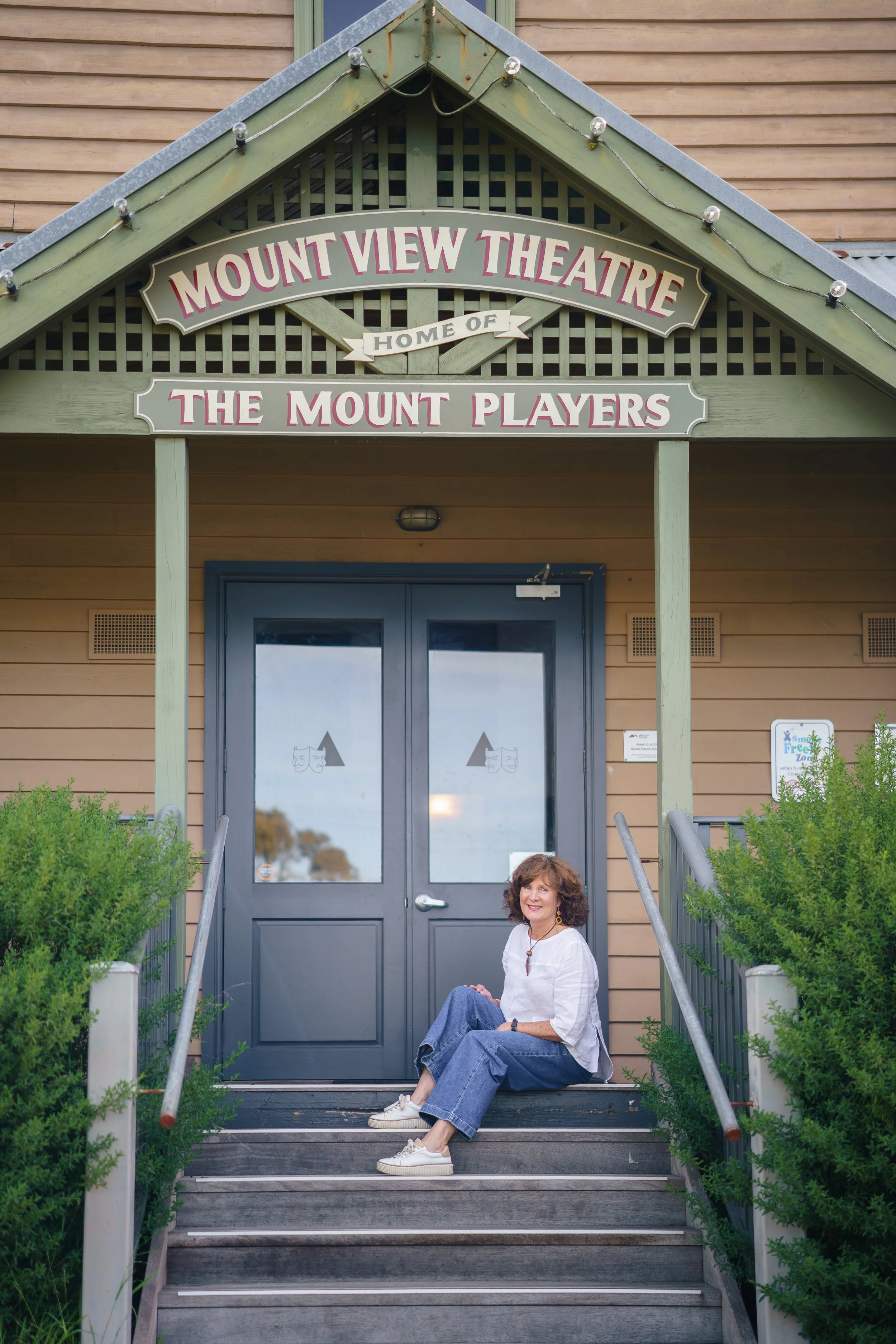
By the time the rebuilt Mountview Theatre opened in 1990, Hunt arrived with her mother and a one-year-old daughter in a pram to audition for Scrooge. “The rest,” she says, “is history.”
For years, she became known locally for farce: Noises Off, Run for Your Wife, comic performances requiring precision disguised as chaos. But the role audiences still stop her about, twenty-two years later, is Sylvia—the dog in A.R. Gurney’s Sylvia. Hunt speaks about the character less as an animal than as a creature of radical emotional honesty. “Dogs don’t care if someone is watching them do what they shouldn’t be doing,” she says. Playing Sylvia offered “uninhibited freedom of expression.” Audiences laughed at the antics but recognised something deeper too: “We all want to be loved and have someone to love. Dogs and people are really not that different.”
Theatre, for Hunt, seems inseparable from proximity. Regional theatre allows audiences to encounter actors later in supermarket aisles, to remember a character twenty years after curtain call. “You sense the emotions and reactions,” she says. “People get a real thrill at seeing someone they know up there on stage.”
Offstage, she became one of the people holding the institution together. She typed newsletters, gathered sponsors, distributed flyers, painted walls, restored foyers, organised trivia nights, and founded a cleaning crew called the Bog Busters, where she serves proudly as “Chief Pootenant Hunt.” During Covid, when performances stopped, she kept sending articles and photographs into the world so the theatre would not disappear into silence. “We all need to feel included and have friends,” she says. “A place to connect.”
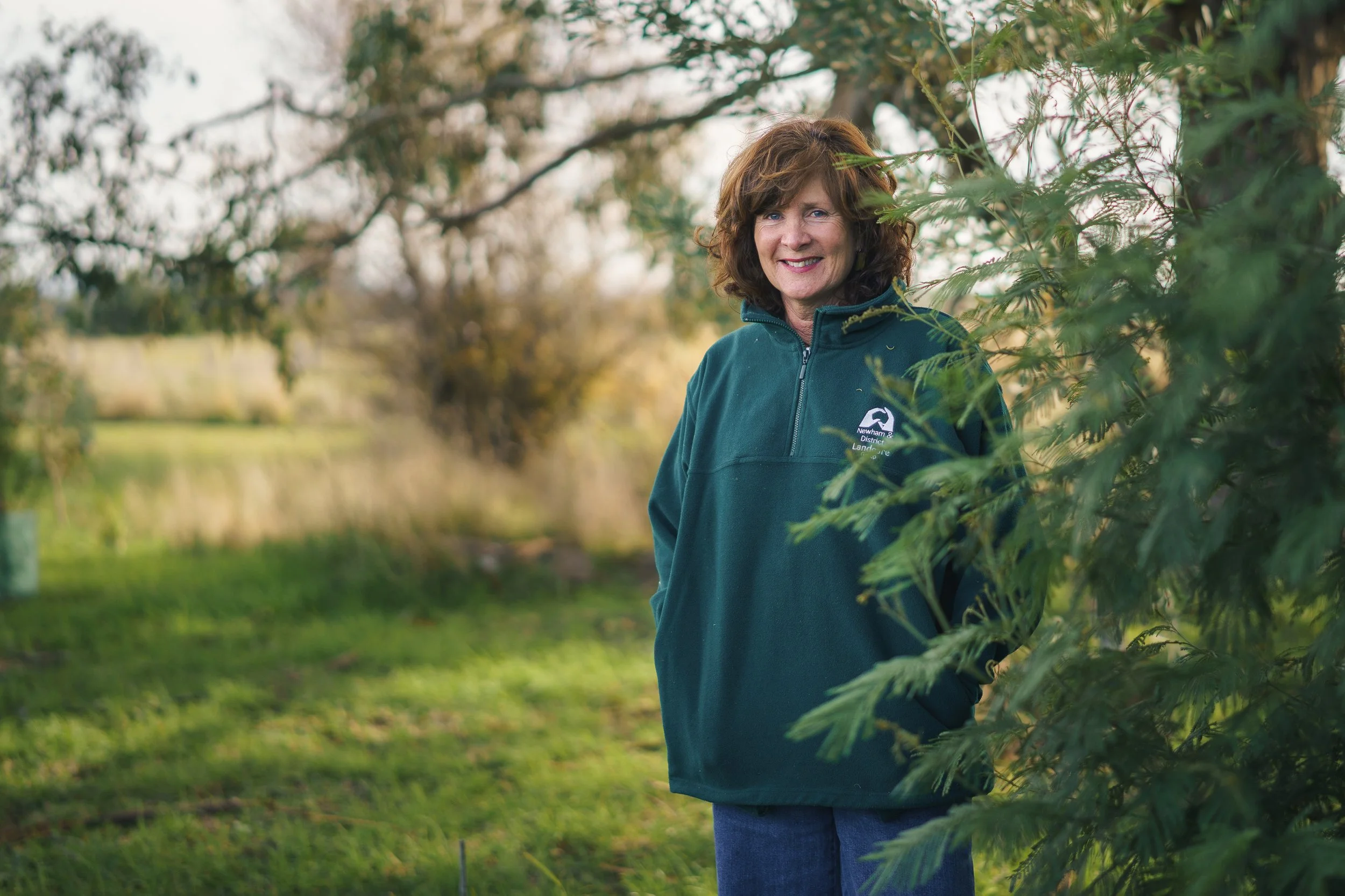
Outside Woodend North, another of her projects slowly transformed a neglected patch of land overrun with blackberries and hemlock. What locals jokingly called “Karen’s Triangle” now bears the Indigenous Taungurung name Dugan—“showing signs of life.” Hunt prefers that name. It captures something essential about the way she moves through the world: not seeking applause exactly, but restoration. A garden from bare land. A theatre after fire. A community held together through repetition, persistence, and care.
“It’s never truly complete,” she says of gardening, though she could just as easily be speaking about theatre, or friendship, or a life spent quietly building things that last.
The Mount Players, Mountview Theatre
56 Smith St, Macedon
themountplayers.com
STORY BY CONTRIBUTING WRITER
PHOTOS BY KAIYA RAE